Phoenix Photographer for Corporate Events
Transform Your Brand: How Professional Photography Drives Business Success
In the current competitive landscape, the value of professional photography cannot be ignored. Businesses that commit to high-quality imagery tend to experience stronger brand recognition and increased consumer trust. The art of visual storytelling is essential in building meaningful relationships with audiences. That said, not every image fulfills the same objective. Understanding how to choose the right photographer and utilize visuals effectively can make a substantial difference. What approaches can companies adopt to fully leverage the power of their visuals?
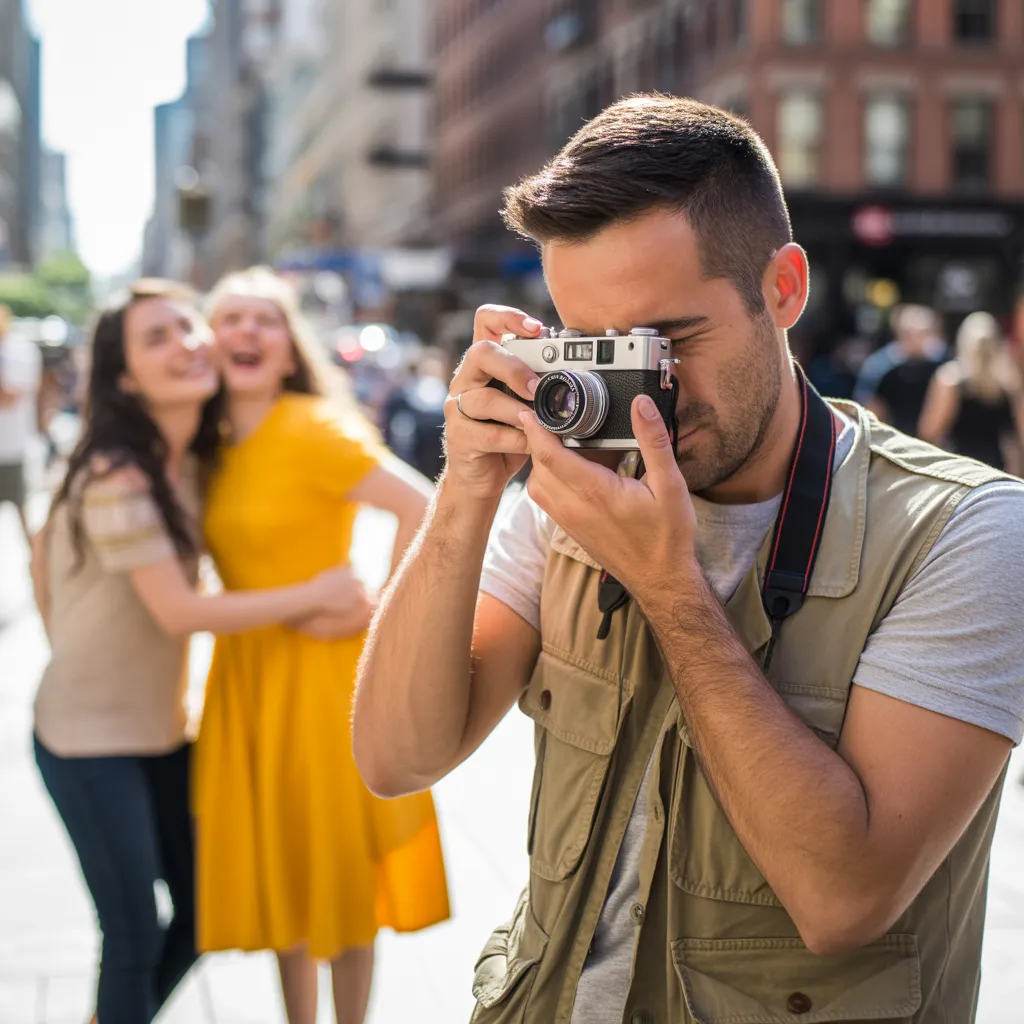
Why You Should Care About Professional Photography
Why is professional photography essential for businesses? The key reason comes down to the impact of first impressions. High-quality images can greatly enhance a brand's image, reflecting a polished and detail-oriented approach. In today's image-focused commercial environment, potential customers often judge a business based on its visual content. Expert photography presents products and services in the most favorable way, capturing and maintaining the curiosity of prospective buyers.
Additionally, steady and refined visuals contribute to establishing a recognizable brand identity. Authenticity is essential; professionally captured photographs can create a relatable narrative that connects with viewers. Such an investment may result in enhanced interaction across a range of platforms, from social media to websites.
Ultimately, companies that prioritize expert photography position themselves as leaders in their industry, fostering credibility and trust. In an era where imagery holds unparalleled power, the need for professional images is not just valuable—it's essential for lasting growth.
How Visual Storytelling Shapes Brand Engagement
In today's fast-paced business world, visual storytelling has emerged as a powerful tool for audience engagement. By crafting stories through visuals, companies can forge meaningful bonds with their viewers, rendering their content more impactful and lasting. This methodology surpasses standard promotional techniques, permitting organizations to convey their principles, objectives, and identity through powerful visuals.
Powerful visual communication attracts interest and builds stronger connections, encouraging consumers to invest in the brand. It allows companies to present their offerings in real-world scenarios, showing how they add value to everyday experiences. Via strategically chosen images, brands can highlight their unique selling propositions and set themselves apart from the competition.
Furthermore, storytelling through visuals boosts social media engagement, as distributable content boosts exposure and stimulates audience engagement. Through incorporating striking visuals that align with target audiences, businesses can nurture loyalty and enhance engagement, which ultimately drives lasting commercial achievement.
How Superior Images Strengthen Consumer Trust
Premium-quality visuals function as a pillar for building consumer trust in today's online marketplace. They offer a visual representation of a company's identity, conveying professionalism and attention to detail. When consumers come across sharp, carefully crafted images, they are prone to regard the brand as authentic and reputable. This perception is vital, especially in an environment overwhelmed by competing brands and inaccurate information.
Moreover, premium-quality visuals elevate the overall user experience, transforming websites and social media channels into more compelling destinations. They enable prospective customers to picture products or services, fostering a sense of familiarity and comfort. As consumers increasingly rely on visual cues to inform their purchasing decisions, organizations that commit to professional photography stand out among their competitors.
In the end, the significance of high-quality images extends beyond aesthetics; they build a solid foundation for trust, inspiring customer loyalty and fueling business prosperity.
How to Choose the Right Photographer
Choosing the right photographer is essential for aligning visual content with a brand's identity. It entails clearly defining the business vision, evaluating the quality of the photographer's previous work, and exploring budget options. By focusing on these key factors, businesses can form informed decisions that strengthen their visual identity.
Shape Your Brand Vision
A precise brand vision acts as the basis for identifying the right photographer. Businesses must first articulate their values, identity, and target audience, as this understanding guides the photography style needed to successfully convey their brand story. Recognizing whether the brand tends toward a modern, minimalist aesthetic or a vibrant, dynamic approach is essential. Furthermore, defining specific goals—such as guide strengthening online impact or developing compelling promotional content—will guide the selection of a photographer whose skill set aligns with these goals. By identifying the desired emotional response from the viewers, companies can ensure they identify a photographer who can capture the essence of their brand. This deliberate coordination significantly strengthens the overall effectiveness of the photographic narrative.
Assess Portfolio Quality
When evaluating photographers, the quality of their portfolio serves as a key indicator of their capabilities. A comprehensive portfolio showcases a range of styles and subjects, allowing prospective clients to evaluate the photographer's technical skills and versatility. It is essential to look for uniformity in image quality, lighting, and composition, as these elements reflect the photographer's dedication to detail. Furthermore, reviewing past work relevant to the specific industry can provide insight into how well the photographer grasps branding and marketing demands. Testimonials or case studies accompanying the portfolio may additionally strengthen credibility. In conclusion, a carefully curated portfolio not only showcases artistic vision but also indicates the photographer's ability to deliver results that align with a business's objectives.
Review Your Budget Options
Evaluating portfolio standards sets the foundation for finding the most suitable photographer, but financial considerations hold equal significance in the evaluation process. Organizations need to set a precise budget that aligns with their marketing goals. This budget should include not only the photographer's fees but also possible extra expenses, such as editing, travel, and licensing fees. Evaluating several photographers allows businesses to find a compromise between cost and quality. It is essential to outline needs and expectations from the start to eliminate surprise charges. Moreover, some photographers might present bundled packages or reduced rates for bigger assignments, offering additional choices for cost-aware companies. In the end, thorough budget management can lead to a fruitful working relationship that enhances brand image without overspending.
Utilizing Images Efficiently Across Platforms
Harnessing the power of images can significantly improve a business's visibility across various platforms. Proper use of images requires an understanding of the distinct characteristics of each platform. For instance, striking, compelling visuals work well on social media, driving user participation and reach. In contrast, crisp, high-quality images are crucial for websites and e-commerce platforms, where they establish trust and credibility.
Moreover, visual style consistency—color schemes, fonts, and image quality—bolsters brand identity. Adjusting images for particular formats, like square crops for Instagram and landscape orientations for Facebook, secures an ideal display and user experience. Moreover, using images in email marketing can significantly boost open and click-through rates.
Case Studies: Lessons From Successful Brands
Top businesses demonstrate the significant influence of professional photography on commercial performance. To illustrate, a prominent beauty brand revamped its marketing strategy by leveraging high-quality images that showcased its product line in real-world settings. This shift generated a 30% improvement in web-based sales within six months, proving the power of compelling visual content.
Likewise, a high-end hotel chain utilized expert photography to highlight its unique amenities and breathtaking views. The remarkable visuals not only elevated their website but also elevated social media engagement, generating a 50% surge in direct reservations.
Another example features a clothing brand that committed to a unified brand aesthetic through expert photography sessions. This approach not only enhanced its brand perception but also built a committed clientele, reflected in a 40% growth in returning customers. These case studies demonstrate how the deliberate application of expert photo production can substantially strengthen brand recognition and fuel commercial growth.
Common Questions and Answers
How Much Should I Budget for Professional Photography Services?
Budgeting for professional photography services typically ranges from $500 to $5,000, influenced by elements including project complexity, the photographer's experience level, and usage rights. Companies should evaluate their requirements to establish a suitable budget within this range.
Is It Possible to Use Stock Photos Rather Than Hiring a Professional?
Employing stock photography offers an affordable solution to working with a professional photographer, but they may lack authenticity and uniqueness. Companies ought to consider the advantages of unique content against financial limitations when selecting visual content.
How Frequently Should I Refresh My Brand Images?
Businesses must update their images every twelve to twenty-four months to reflect current trends and maintain relevance. Frequent updates allow the visual identity current, captivating viewers and building lasting brand loyalty through consistent, high-quality imagery.
Which Types of Photography Work Best for My Industry?
Lifestyle, product, and event photography serve as critical for the majority of industries. Brands should invest in high-caliber photography that appeal to their core audience, highlighting genuine quality and professionalism to improve customer engagement and brand perception meaningfully.
How Do I Measure the Effect of Photography on My Brand?
To evaluate photography's impact on a brand, businesses can review performance metrics, track conversion data, solicit client feedback, and measure brand recognition using surveys, ultimately evaluating how photographic content impacts overall business performance.